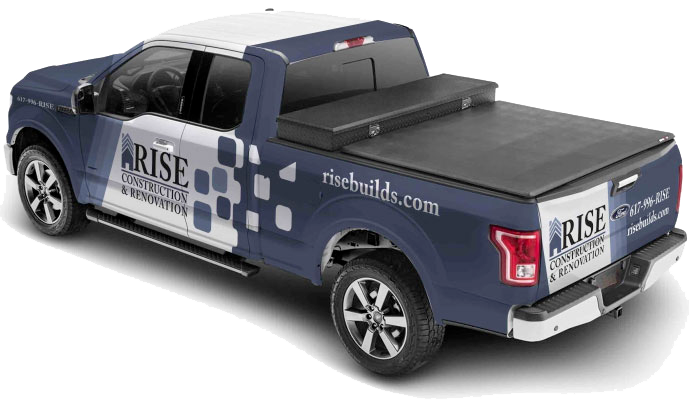


Vehicle wraps have caught on in a big way. Whether used for branding, color changes, or personal expression, wraps give cars a new look without the commitment of paint. They let your vehicle stand out while also providing a layer of protection. With all the roads, sun, and weather that pass through the Boston, MA area it makes sense that drivers would want their wrap to hold up for the long haul.
But like anything that spends time outdoors, vehicle wraps deal with the elements. The local weather can have a bigger effect than most people expect. From hot summer days to cold, icy mornings, weather touches every part of your car—wraps included. Knowing how different conditions affect wraps on a vehicle can help you keep yours looking sharp and lasting longer.
The Effects of Weather On Vehicle Wraps
Weather plays a large part in vehicle wrap performance over time—especially in an area like Wilmington that gets a full range of seasons. While high-quality wraps are made to last, they still respond to their environment. Here’s how some common types of weather can impact vehicle wraps
Heat And Sun Exposure
Strong sunlight and high temperatures can wear down materials quicker than usual. When your vehicle sits in the sun all day, the wrap is constantly exposed to UV rays and heat. Over time, this can cause fading or discoloration. If the wrap starts to bake onto the surface, it might also peel or bubble, especially around the edges.
Heat can also build up under the wrap, making it expand and contract more than usual. If the wrap gets too hot repeatedly, it can begin separating from the body. This is especially true for hoods, roofs, and other flat areas that catch direct sun.
Cold And Frost
Cold weather causes materials to stiffen, and wraps are no exception. When the temperature drops, especially below freezing, wraps can become less flexible. That makes them more likely to crack if they’re bumped or scraped, or if you try to remove frost too aggressively.
Ice that forms on the wrap isn’t just a surface issue. Over time, water can creep under the edges if the film wasn’t sealed tightly. When it freezes, it expands, pushing the vinyl up from the surface and slowly breaking the seal. That’s more common on corners and curves.
Rain And Humidity
Water by itself isn’t always harmful, but when it becomes trapped or prolonged, it can trigger new problems with vehicle wrap performance. Constant rain or humid conditions can weaken the adhesive and reduce how well the wrap sticks to the paint. If water or moisture sneaks under the wrap, it can make the film lift or bubble.
Stuck moisture can also lead to spots where the color looks off, or where mold starts to grow in hidden places. Vehicles left outside in humid areas for long stretches may experience some of these issues faster. Even overnight dew can make a difference when it sticks around and builds up day after day.
Each season brings something different that affects wraps in its own way. Here’s a quick list of signs to watch for when weather starts affecting wraps:
- Fading or color changes on panels that get the most sun
- Edges lifting up, especially around curves and corners
- Tiny cracks in the wrap where it’s stiffened from cold
- Bubbles or blisters forming under the surface after wet spells
- Wrinkling that seems to get worse with time
Knowing how different weather conditions impact wraps can help you catch problems early. And if you’ve already seen signs of wear, it might be time to explore ways to prevent more damage. The good news is that every season has its own care tips that make preserving wraps a lot easier.
Seasonal Considerations for Best Vehicle Wrap Performance
Living in a climate with all four seasons like New England means you can’t treat your vehicle the same way year-round. Each season brings different challenges that affect the longevity of wraps on a vehicle. But with a little attention and the right approach at the right time, most issues can be avoided before they really start.
Summer Care Tips
In the summer, the biggest concern is heat and direct sun exposure. A few simple habits can go a long way in maintaining your wrap during these hotter months:
- Park in the shade whenever possible to reduce heat buildup and UV fade
- Use a soft microfiber cloth to gently wipe away dust and dirt that can get baked onto the surface
- Wash regularly with a wrap-safe cleaner to avoid damaging the finish from stuck particles
- Avoid automatic car washes with stiff brushes as they can scratch the vinyl
If you need to store your vehicle for long stretches during summer, try using a breathable car cover. This keeps the wrap cool and protected without trapping heat or moisture underneath.
Winter Care Tips
Winter is just as tough, but for different reasons. Snow, ice, and cold air make wraps more fragile, especially if the wrap already has minor damage. During winter, keep these tips in mind:
- Don’t chip or scrape off ice directly from the wrap; use lukewarm water to melt it instead
- Rinse off salt and sand from roads to prevent staining or surface damage
- Dry the vehicle after washing to avoid moisture collecting in corners and crevices
- Avoid parking under trees or in slushy puddles where moisture sticks around longer
A Wilmington winter isn’t something you can skip over, but you can adapt and work around the cold to protect your investment. And when the seasons change, it’s a good idea to recheck the edges and high-stress spots for any signs of peeling or lifting.
Year-Round Maintenance
Wraps on a vehicle hold up better when cleaning and care stay consistent, no matter the time of year. While weather matters, good habits matter more. Regular upkeep helps prevent grime and water from getting under the wrap, and it keeps the colors looking fresh.
Cleaning Practices
Start with safe cleaning products. Use pH-balanced soap—not household cleaners. Harsh chemicals can break down the vinyl and reduce its lifespan. A good rule is to stick with anything labeled safe for car wraps or painted surfaces.
Pressure washers should be used with caution. If you’re using one, keep the tip at least 12 inches away, and don’t blast the edges where wraps can lift. When drying, skip the heat guns or hairdryers. A soft towel or air blower is all you need.
Get Ready For Any Weather
Weather doesn’t take time off, so it’s smart to make sure your vehicle wrap is always one step ahead. Summertime sun, freezing winter air, soaked springs, and humid autumn days all have different effects—but they all leave marks if nothing is done.
By paying attention to the condition of your wrap and adjusting care as the seasons change, you can extend its life and appearance. Wraps are a strong option for changing or protecting your vehicle, but how well they last depends on what you do each month.
The good news is you don’t have to figure it all out on your own to keep vehicle wrap performance up. When your wrap shows wear, or you want advice on how to better protect it, getting help from professionals who handle wraps every day makes the process a lot easier.
Embracing the benefits of a vehicle wrap means understanding the elements that affect it, but you don’t have to do it alone. Whether you’re looking to protect or style, learning more about wraps on a vehicle can make a huge difference. Explore the possibilities with Wrap Solutions to enhance your vehicle’s appearance and durability.