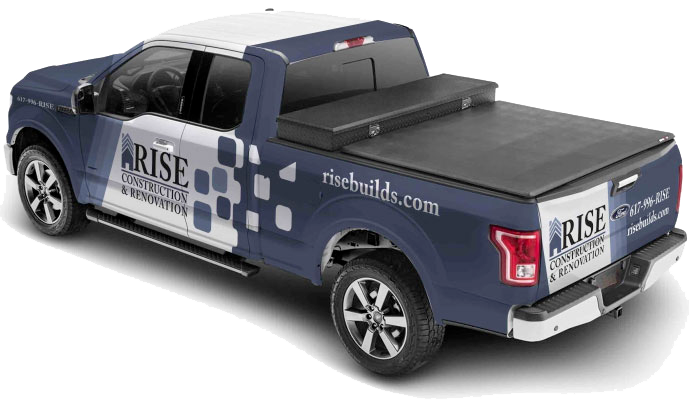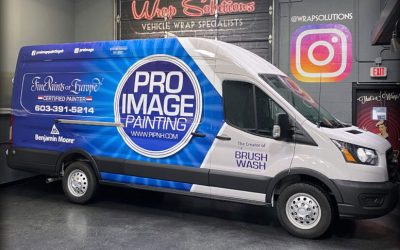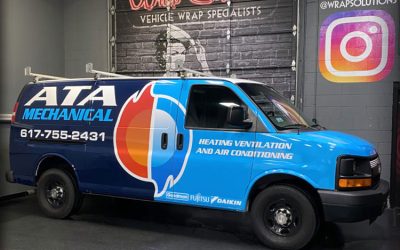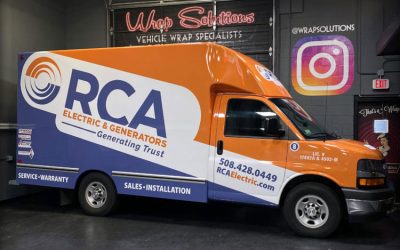

A vehicle wrap is one of the quickest and most noticeable ways to upgrade the appearance of a ride. It doesn’t just turn heads—it helps protect the paint underneath, making the car easier to maintain in the long run. But even the best wrap won’t hold up if it’s ignored. Like anything made to live outdoors, it needs care to stay in shape.
In Wilmington, MA, where summers get sunny and winters come with snow and road salt, wraps deal with a range of wear. If left exposed without the right upkeep, they can fade, crack, or peel. That doesn’t mean you need a long car-care routine. Just a few simple steps, repeated regularly, can make a big impact on how long the wrap lasts and how good it looks over time.
Understanding The Importance Of Vehicle Wrap Maintenance
A full or partial vehicle wrap does a lot more than just look good. It acts kind of like a shield—protecting your paint from bird droppings, tree sap, bug splatter, and sun exposure. That’s especially helpful if you’re parking outdoors often around Wilmington, whether in your driveway, a work lot, or downtown.
But a wrap isn’t invincible. Rain, snow, grime, and sunlight slowly wear it down. If cleaning and protection are skipped for too long, what starts as a little dullness might turn into cracking, color changes, or even whole sections peeling back. Once that happens, it usually can’t be fixed without replacing the wrap.
For people who rely on their vehicle to represent a business or brand, keeping that wrap sharp is even more important. Faded graphics or peeling edges are hard to overlook, and they make the car look less professional. No one wants to make that impression when pulling into a job or meeting a client.
Routine Cleaning Practices
Keeping a vehicle wrap clean is the easiest way to make it last. It doesn’t need a fancy system—just some basic care done consistently. A lot of problems can be prevented just by picking the right products and technique when it’s time to wash off road dirt, pollen, or salt.
Here’s how to keep wraps on a vehicle clean without damaging them:
- Hand wash using a soft sponge or cloth and clean water. Go with mild soap or a product labeled safe for vinyl. Harsh cleaners wear down the surface.
- Skip pressure washers unless you really know what you’re doing. High force and hot water can lead to tears, especially near seams or edges.
- Dry the wrap with a microfiber towel to avoid water spots or streaks.
- Aim to clean bird droppings or tree sap as soon as possible, especially under strong sun. Those can bake into the vinyl and leave stains.
- Never use abrasive pads, brushes, or sponges. Even one scratch can break the top layer and make it easier for moisture to get under.
One example: A car owner in Wilmington parked under a tree at their workplace every day. After a few days of sticky sap drying onto the wrap, they tried scrubbing it off with a kitchen sponge. What seemed like a quick fix ended up leaving behind dull patches and micro scratches. A professional had to replace the damaged section. A soft cloth and gentle soap would have done the job with zero harm.
Cleaning doesn’t have to be done daily, but it should be regular enough to prevent grime buildup. And after a long weekend drive or snowstorm, it’s worth giving the wrap some extra time and attention.
Protecting Against Environmental Factors
Keeping wraps on a vehicle in good shape means thinking about where and how they’re exposed. Wilmington weather can turn fast—from dry, sunny days to rainy stretches or icy winters. Every shift in the elements puts different stress on your vinyl. Sunlight fades colors over time, and UV rays can cause wraps to dry out or crack. On the flip side, long exposure to rain or snow leads to water creeping into weak spots or lifting edges if they’re left untreated.
Whenever possible, parking under cover helps. A garage is best. If that’s not an option, shaded areas offer at least some added protection on bright days. Using a car cover rated for vinyl adds another layer if you’re not driving every day.
Addressing Wear And Tear Before It Gets Worse
Some wraps naturally last longer than others, but all of them start to show wear with time. That doesn’t always mean you need a full rewrap. Early signs of trouble can often be dealt with fast, especially if you treat small problems right when you notice them.
Here’s what to watch for:
- Corners or edges starting to lift or peel up
- Wrinkles or small bubbles that weren’t there before
- Discoloration, usually from sun exposure or chemical cleaners
- Thin scratches from brushes or debris
- Rips or cracking near wheel wells or seams
If you catch these early and get them handled by a professional, it becomes much easier to keep the rest of the wrap intact. Someone with the right tools can reseal corners, replace patch sections, or apply new adhesives—saving time and money compared to a full replacement.
An example we’ve seen often around Wilmington is salt clinging around wheel arches during winter. The wrap in that area gets scratched up from the grainy mix of salt and icy slush. Once temperatures warm up, those small scratches become weak points. If ignored, they turn into larger tears just from normal driving. It’s a smart move to get wrap edges checked after winter and before peak summer heat. That way, you spot problems when they’re easy to fix.
Seasonal Maintenance Tips For Wilmington Drivers
No matter how new or high-end your wrap is, it’s going to deal with different pressures depending on the season. Base your cleaning and inspection habits on what your car faces most that time of year.
Here’s how to break it down:
- Spring: Wash away winter salt and grime. Inspect for damage caused by freezing temperatures or ice. Remove sticky tree pollen and check for early signs of wear around seams.
- Summer: Park in the shade. Use wrap-safe UV spray sealants before long sunny drives. Wipe off bird droppings or sap right away.
- Fall: Watch for leaves collecting near wrap edges. Moisture can build up and lift corners before it’s obvious. It’s also a great time to apply a fresh vinyl protectant ahead of winter.
- Winter: Rinse off salt regularly, especially after storms. Avoid scraping ice directly from wrapped surfaces. Keep it dry when parked by brushing off snow before it melts onto seams.
Adjusting your wrap care by season doesn’t take much extra work, but it can make a big impact over time. Regular check-ins and small steps help prevent damage that might otherwise go unseen until it’s too late to fix.
Keep Your Wraps Pristine Year-Round
Wraps don’t last forever, but you can get the absolute most out of them with the right care. Cleaning it gently, checking for damage, and protecting it from sun and salt are all good habits that don’t take much time. The better care you give your wrap, the longer it’ll keep its shine and coverage.
In a place like Wilmington—where seasons swing from heavy snow to strong summer sun—your wrap deals with more than just daily driving. That’s why regular, local-specific maintenance makes a difference. If you treat your wrap like an investment, it’ll keep turning heads on the road and protect what’s under it too.
To keep your wraps on a vehicle looking fresh and vibrant, it’s important to stick to a solid care routine and thoughtful design. Learn how wraps on a vehicle can stay sleek and protected year-round with support from the team at Wrap Solutions.