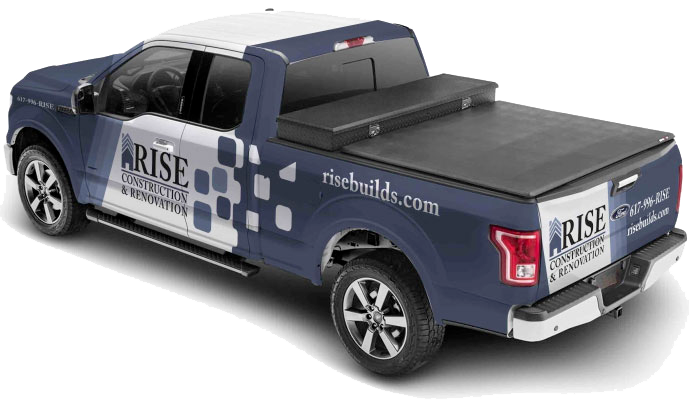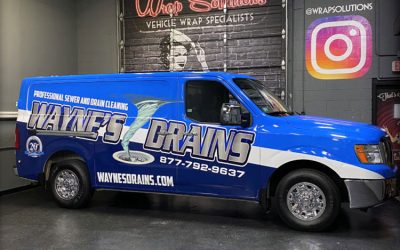

Custom vehicle wraps and large-format graphics turn every drive into free advertising. When your electricians, plumbers, HVAC techs, pest control crews, or installers roll through the Boston area, people notice the trucks that look sharp and professional. A clean, well-designed wrap creates a strong first impression and helps people remember your name when they finally need help.
One of the biggest advantages of a wrap is cost: you pay for a quality wrap once, and it keeps working for years every time that vehicle leaves the lot. Unlike digital ads or print campaigns you have to keep funding month after month, branded service vehicles deliver ongoing impressions on the road, in traffic, and parked at job sites, often with a very positive long-term ROI.
There is a catch though: to protect that investment and keep your brand visible, those graphics need to follow the rules. Done right, your wrap can show off your brand, boost visibility, and still meet DOT, licensing, reflective, and permit requirements. That is where smart design and planning matter.
Why Compliance Matters for Branded Service Vehicles
Ignoring compliance for custom vehicle signage can get expensive and can undercut the value of your wrap. Common problems include:
- Fines from state or local inspectors
- Orders to remove or redo noncompliant graphics
- Failed inspections that keep vehicles off the road
- Extra attention if the vehicle is involved in an accident
Rules are not only for long haul trucks. Service fleets that often need to think about regulations include:
- Electricians and plumbers
- HVAC and refrigeration companies
- Pest control and lawn care services
- General contractors and remodelers
- Roadside service and towing companies
Each trade can have specific requirements for what appears on the vehicle, where it sits, and how easy it is to read. Some details are safety driven, some are consumer protection, some are for law enforcement.
We see both sides every day: strong branding and regulatory needs. The goal is to design large-format graphics that pull in customers, build brand recognition, and keep your wraps on the road instead of in the shop being redone.
DOT and Identification Rules by Vehicle Type
If your vehicles are considered commercial, you may be required to display DOT numbers. Federal rules often apply when:
- The vehicle has a gross vehicle weight rating over 10,001 pounds
- You move goods or passengers for business across state lines
- Certain hazardous materials are carried
Typical DOT number requirements include:
- Minimum letter height so numbers can be read from a distance
- Clear color contrast between the lettering and the body or wrap
- Placement on both sides of the vehicle, usually near the cab doors
At the state level, local service fleets may be asked to show:
- Legal business name
- City and state of operation
- USDOT or state DOT number, if required
Massachusetts and other New England states can have their own rules, so it is smart to confirm current guidelines before printing or installing new graphics. Getting this right up front protects your one-time wrap investment and avoids paying again for corrections.
Vehicle type changes how and where this information should appear:
- Box trucks
Large side panels are ideal for bold logos, big service lists, and full-color images that grab attention from a distance. DOT numbers and required text often work well on the driver and passenger doors, plus in a lower front corner of the box where there are no big seams.
- Cargo vans
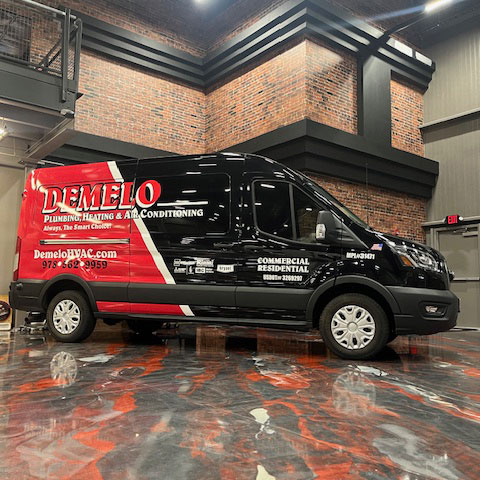
Doors have less vertical space, so we plan for tighter layouts. Numbers and legal text need to stay away from handles and body lines so they are not chopped up or hard to read. Clean, simple graphics and large contact info help people remember you in traffic.
- Pickups with utility bodies
Space is broken up by compartments and rails. DOT and identification text might sit on the cab doors, with large brand graphics flowing along the utility body. Lettering should stay on flat, smooth areas so it stays readable and professional.
Getting the placement wrong can lead to reprinting panels or adding awkward decals on top of your wrap, which hurts both your image and your ROI.
Reflective Graphics, Safety, and Night Visibility
For many fleets, reflective materials are required or strongly recommended. This is especially true for:
- Larger service trucks and trailers
- Roadside service and towing vehicles
- Utility and construction trucks working in traffic
- Fleets that run at night or early morning
Reflective graphics help your vehicles stand out in low light, rain, snow, or fog. Beyond safety, they dramatically increase how often people notice your brand after dark. Common elements include:
- Reflective striping along the sides and rear
- Chevron patterns on rear doors, lift gates, or bumpers
- Reflective outlines for key safety messages
Instead of slapping reflective tape on after the fact, we like to build it into the design so it supports both compliance and marketing. For example:
- Using your brand color for reflective stripes when possible
- Creating chevrons that match your logo palette
- Placing reflective panels where headlights will hit them most
In New England, long dark evenings and messy winter weather mean visibility really matters. Even if you are wrapping in the middle of summer, it pays to plan for the seasons when your crew will be driving home in the dark. Reflective elements let your one-time wrap investment keep attracting attention day and night.
Trade Licensing, Permits, and Brand Standards on Wheels
Many trades are required to display license details on their service vehicles. Depending on your licensing board or state rules, you may need items like:
- Contractor license number
- Electrician or plumber license number
- Specific abbreviations for your license class
- Phrases that identify you as licensed or registered
Some cities and towns also have permit or parking rules tied to commercial vehicles. Things to consider:
- Residential areas that limit overnight commercial parking
- Requirements for identification on vehicles parked at job sites
- Historic or tight urban neighborhoods that pay attention to large graphics
Having clear, compliant signage can sometimes reduce complaints because neighbors see that a legitimate, licensed company is on site. That credibility, combined with strong branding, helps turn every parked vehicle into a quiet sales tool and referral generator.
At the same time, your brand still needs to look clean and consistent across the whole fleet. Strong brand standards for your wraps include:
- Using the same logo version on every vehicle
- Matching colors across trucks, vans, and trailers as closely as possible
- Consistent typography for your main message and contact info
- Planned areas on every layout reserved for legal and regulatory copy
When we design wraps, we treat compliance text as part of the system, not an afterthought squeezed in at the last second. That way, every letter and logo works together to keep your brand remembered.
Designing Compliant Wraps That Still Command Attention
The key to custom vehicle signage that works hard is smart layout. We like to break each side of the vehicle into zones
- Brand zone
Big logo, recognizable colors, maybe a short tagline, the elements that make you instantly recognizable.
- Service zone
A short list of what you do so people know in a second why they should care.
- Contact zone
Phone, web, or other simple contact line so interested customers can reach you fast.
- Compliance zone
DOT numbers, license details, city and state, and any required phrases.
Here are practical design tips that help both branding and compliance:
- Use high-contrast colors for all text, especially legal copy
- Keep fonts simple and bold, no super thin or fancy scripts
- Make sure DOT and license text hits minimum height rules or better
- Leave “breathing room” around numbers so they are not lost in graphics
- Avoid clutter, too many photos or patterns can swallow important details and weaken brand impact
Consistent design across different vehicle types takes planning. A compact van, a box truck, and a pickup will not share the same panel shapes, but they can still feel like one fleet. Working with a single team for design, printing, and installation helps keep colors, logo sizes, and layouts aligned from one body style to the next so your fleet looks like a unified, professional sales force on the road.
How Wraps Differ From Traditional Advertising
Traditional advertising like print, radio, and digital often comes with ongoing monthly or per-click costs, and when you stop paying, the exposure stops too. A professionally designed vehicle wrap is a one-time investment that can last for years.
Your service fleet is already driving the routes where your customers live and work. A branded, compliant wrap turns that existing activity into a unique, moving billboard that:
- Reaches people in your local service area repeatedly
- Builds brand recognition through daily, real-world impressions
- Delivers long-term visibility without ongoing media spend
For many service businesses, this combination of one-time cost, daily exposure, and long lifespan makes wraps one of the most cost-effective ways to stay top of mind.
Put Your Service Fleet to Work for Your Brand
A good next step for any service business is to walk the lot and really look at current graphics. Check if:
- DOT or state numbers are present and easy to read
- License numbers or required wording are shown where they should be
- Reflective materials are used where safety or rules call for them
- Logos, colors, and layouts match from vehicle to vehicle
From there, you can plan a fleet refresh that upgrades both branding and compliance at the same time. Custom vehicle wraps that are designed, printed, and installed as one coordinated project can give you years of consistent, on-the-road visibility and a strong return on a one-time investment.
At Wrap Solutions in the Boston area, we focus on large-format graphics that help service fleets stand out, stay compliant, and attract new customers. When branding and compliance work together, your trucks and vans become a 24/7 sales team that keeps your name top of mind wherever your crew needs to go.
Get Started With Your Project Today
Bring your brand to life on the road with our expert custom vehicle signage solutions tailored to your business and fleet size. At Wrap Solutions, we collaborate with you to create designs that reflect your identity, stand out in traffic, and hold up to daily wear. If you are ready to discuss options, timelines, and pricing, reach out through our contact page so we can map out your next project together.