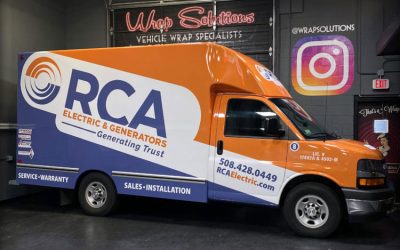

When you’re running a business with a fleet of vehicles, those vehicles do more than just deliver goods or transport workers. Each one is a moving ad for your brand. A clean, sharp-looking fleet wrap tells people you’re professional, dependable, and proud of what you do. But wraps on a fleet of vehicles only send that message when they’re well cared for.
Just like any part of your business, fleet wraps need regular attention. They go through road grime, weather, sun, and wear every day. Over time those things can wear down the look and even shorten the lifespan of the wrap. The good news? A few simple habits can help you keep them looking fresh and lasting longer. Let’s go through some easy, practical tips to keep your fleet wraps in good shape throughout the year.
Regular Cleaning Practices
Cleaning isn’t just about appearance. Cleaning removes dirt and residue that, if left on too long, can break down the vinyl or mess with the edges of the fleet wrap. In a place like Boston, MA where seasons bring everything from salt-covered roads in winter to pollen in spring, regular wash schedules are key.
Fleet vehicles should be washed once a week or right after exposure to heavy dirt, salt, or bird droppings. Don’t delay—some of that grime can stain or get baked on under the sun. Consistency helps the wraps last longer and protects the investment you’ve made in the design.
Stick to these cleaning practices:
- Use a soft cloth or sponge paired with a wrap-safe cleaner (pH-balanced soaps are best).
- Rinse thoroughly with clean water to remove soap and debris.
- Dry gently using a microfiber towel to avoid water spots and streaks.
- Skip the automatic car wash unless it’s brushless—those stiff brushes can scratch the wrap and lift up edges.
- Stay away from pressure washing too close to the surface or near wrap seams. If you must, keep the nozzle at least 12 inches away and use low pressure.
Avoid cleaning the vehicles under direct sun or while the surface is still hot. That can cause water and soap to dry too fast and leave marks or streaks on the surface. A good example of how cleaning helps: one delivery company noticed discoloration on the hoods of their vans. Turns out, tree sap had sat too long on the wrap during summer. After that, they started washing weekly, and the new vehicle wraps held up much better over time.
Protection From Weather Elements
Fleet vehicles face the weather all year long, and the fleet wrap materials respond to those changes. Heat, cold, rain, and road salt all affect the appearance and durability of a wrap. Knowing what to expect each season helps you take the right steps at the right time.
Here’s what to watch out for in each type of weather:
- Sun and heat: Ultraviolet rays can fade colors, especially on darker wraps. Excess heat can loosen the edges or cause bubbling in areas like the roof or hood.
- Rain and humidity: Water can sneak under wrap seams if they were slightly lifted or damaged, creating pockets where mold or moisture builds up.
- Ice and snow: Freezing temps make wraps less flexible, so they’re more likely to crack. Salt used on roads can also stain and erode the outer layer.
To help keep your fleet safe from this kind of weather damage, consider:
- Parking indoors or in shaded areas when possible.
- Using breathable, outdoor-rated covers if a vehicle will sit unused for a long time.
- Drying the wrap fully after a chemical-free rinse—this helps prevent streaks, water damage, and slippery build-ups.
- Applying a wrap-safe protective coating for extra resistance against UV rays and grime.
September is a good time to prep for temperature changes as Wilmington heads into cooler months. Start inspecting for early signs of wear now, before winter weather creeps in. That way, your wraps stay strong, show off your brand, and won’t need fixing mid-season.
Addressing Wear And Tear
Even with regular cleaning and weather protection, a fleet wrap will eventually show some signs of age. This is completely normal. It doesn’t mean the wraps were poor quality—it just means the vehicles are doing their job out on the road day after day. What matters is how quickly you catch those signs and what you do next.
Start by looking for small trouble spots. You might notice fading, peeling edges, light cracking, or surface scratches. These problems usually pop up first on door handles, around wheel wells, or on hood seams where the wrap stretches the most. While these issues may seem minor at first, ignoring them can lead to bigger damage, moisture buildup underneath, or peeling that spreads.
If you catch a fleet wrap problem early, it’s easier to fix. Having a professional touch up or repair a section is a lot better than waiting until you have to rewrap an entire panel. Don’t try to trim or push the vinyl back yourself—doing it wrong can make the damage worse.
To stay ahead of wear and tear:
- Walk around each vehicle once a week and do a visual check.
- Pay close attention to edges, corners, and seams.
- Look for changes in color or texture—it’s usually a sign that something’s gone off.
- Ask drivers to report anything stuck to the vehicle that might harm the wrap, like sap or tar.
- Keep a rolling maintenance schedule for the entire fleet, rotating inspections so nothing gets missed.
One business we worked with had its vans parked under trees during lunch breaks. They started seeing peeling along the rooflines. After moving their parking to open sunny spots and doing regular edge checks, the damage slowed way down. Simple changes like that can buy your wraps much more time on the road.
Wrap Solutions Here to Help
Fleet wraps are more than just vinyl. They’re often the first impression your business makes on the road. Whether a van pulls into a client’s driveway or a service truck sits in front of an office building, the design and condition of that wrap tell a story. You want that story to reflect care, pride, and professionalism.
Breaking tasks down into simple maintenance routines—like washing weekly, checking for damage, and scheduling seasonal inspections—makes long-term upkeep easier and less costly. Even small steps like parking in shaded spots or quickly wiping off bird droppings can stretch the life of a wrap by months or even years. These habits also help drivers take more responsibility for the trucks they use every day.
By keeping up with maintenance and acting early when damage appears, you not only protect your investment but also show customers you’re serious about quality. And when your fleet looks great, it’s more likely to turn heads, build trust, and keep your brand top of mind all over Wilmington.
Maintaining the appearance and durability of your fleet is key to making a strong impression wherever your vehicles go. When you stay on top of care, cleaning, and inspections, your brand stays one step ahead. To help you keep things running smoothly, contact Wrap Solutions to learn more about how we can help your business look its best on the road every day.