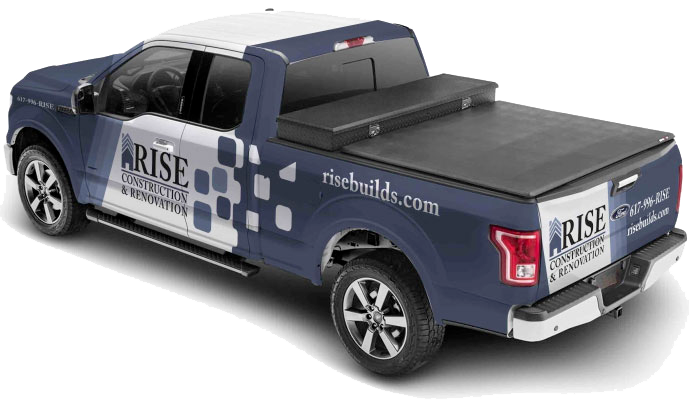


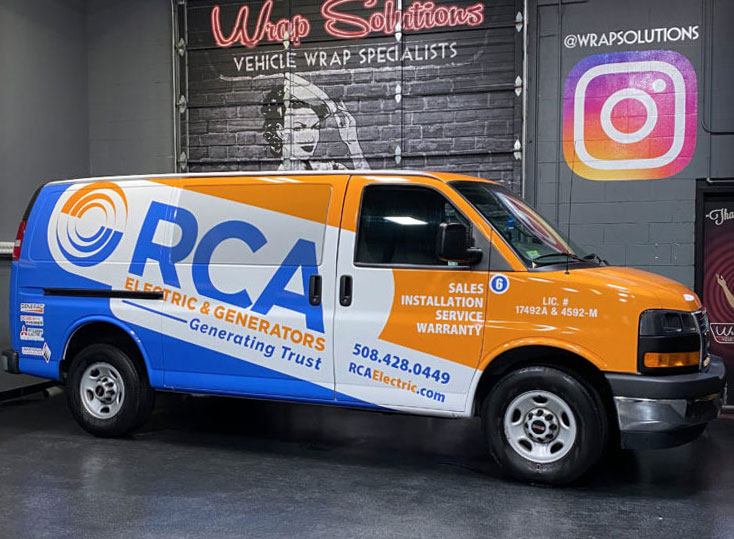
Commercial fleet graphics turn normal work vehicles into rolling billboards that work all day, every day. When your trucks or vans sit in traffic, park at job sites, or pull up to homes and offices, people see your brand without you having to chase their attention. Those repeat views in the same neighborhoods help you stay top of mind with local buyers.
With traditional ads, you keep paying to stay visible. Once your ad is gone, so is your presence. A well-planned fleet wrap is a one-time investment that keeps delivering impressions for years while your team does the work they already do. It is steady, local exposure that follows your real routes.
In this guide, we will walk through how to plan and roll out commercial fleet graphics that actually work. We will cover which vehicles to wrap first, how to set up your brand and message, what to know about rules and timing, how to schedule installation with minimal downtime, and how to care for your wraps so they keep looking sharp.
Defining Objectives and Choosing the Right Vehicles
Before you even think about colors or graphics, get clear on what you want your fleet wraps to do for your business. Different goals can change the design and layout.
Common goals include:
- Building brand awareness in key towns or service areas
- Driving calls or form fills for new projects or appointments
- Promoting a new service or product line
- Supporting hiring and recruitment messages
If your top goal is brand awareness, you will want big logos and strong colors that stand out from a distance. If lead generation is the focus, then bold calls to action and easy-to-read contact details become more important. For hiring, you might shift part of the design to a simple recruiting message.
Next, choose which vehicles to wrap first. Not every vehicle works equally hard for your brand. Think about:
- Route density and time on the road
- How often vehicles park in front of homes, job sites, or busy streets
- Geographic coverage and local traffic patterns
- Where vehicles sit overnight and on weekends
Service vans in dense urban or suburban areas usually give more frequent views than a vehicle that only runs a few long highway routes. A car that parks in a busy downtown lot may deliver more local impressions than a truck that spends most of its time at a warehouse.
Different vehicles also offer different surfaces. Box trucks and trailers have large, flat sides that are perfect for big, simple branding. Cargo vans and pickups can be strong for side and tailgate graphics. You can mix:
- Full wraps for maximum impact and full-body branding
- Partial wraps that cover high-impact zones while keeping costs down
- Spot graphics like logos, contact info, and key messages
A smart mix across your fleet can give you great coverage without treating every vehicle the exact same way.
Building a Clear Brand and Message Hierarchy
People see your vehicles while they are moving, often from a distance, and only for a few seconds. That means you need a clear order of what they should notice first, second, and third.
A simple order that works for many businesses is:
- Brand logo and colors first
- What you do in a few clear words
- How to reach you or next step
Your logo should be large, clean, and easy to spot at a glance. Use high contrast between text and background so your name stands out, even in low light or bad weather. Avoid thin fonts or fussy details that get lost from a distance.
Keep copy short and punchy. Think in terms of three to six key words for your main message, not full sentences. Big, blocky type is easier to read at 40 miles per hour. On the back of the vehicle, where drivers sit behind you longer, you can include a bit more detail or a call to action, but still keep it simple.
A few practical design tips:
- Use your strongest brand color as a main field, with white or black for text
- Repeat core elements on both sides and the rear for consistency
- Avoid clutter. Empty space can make key elements pop.
- Place calls to action where they will not be blocked by ladders, racks, or doors
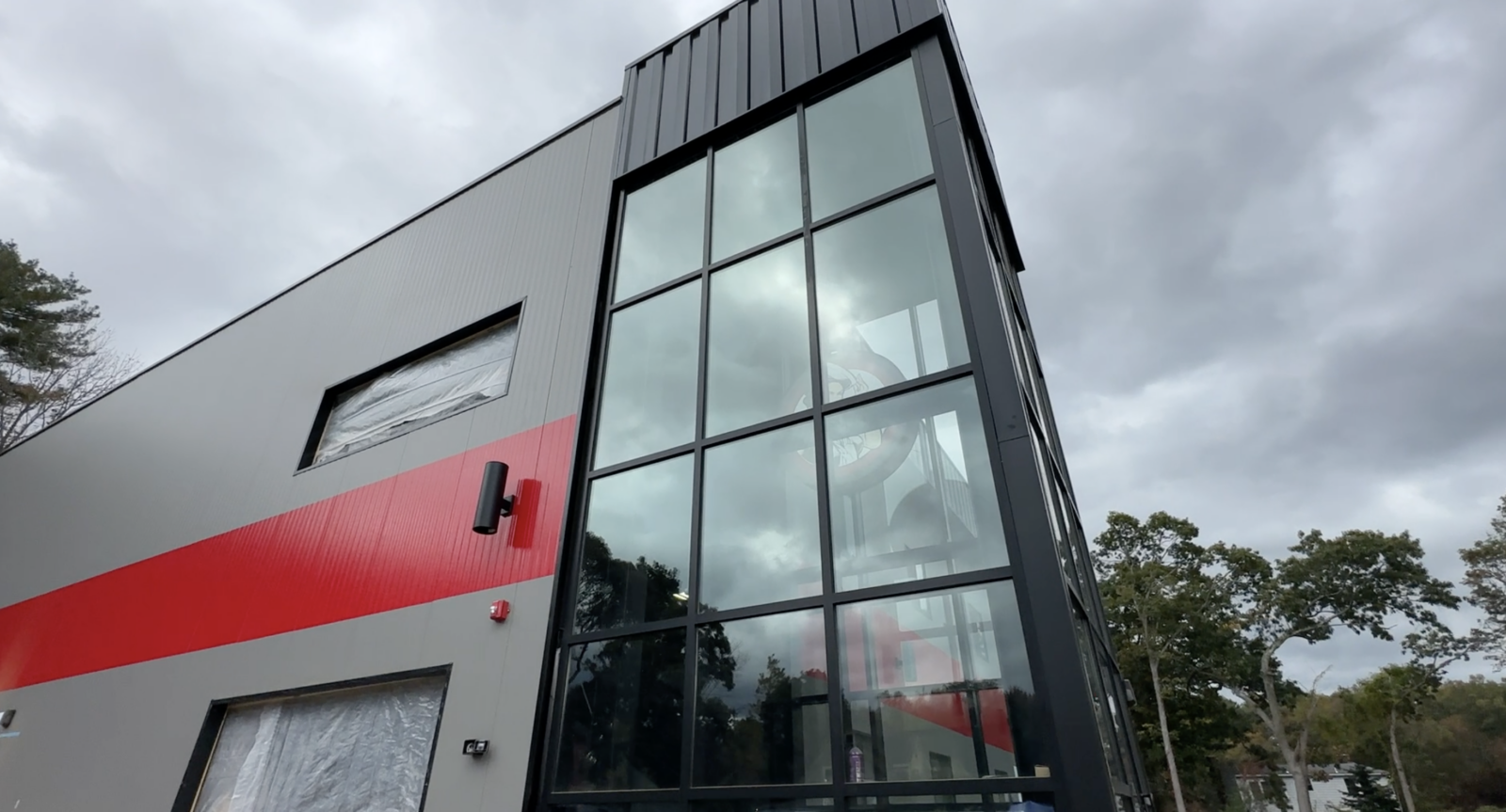
Your vehicles do not have to stand alone either. Wall wraps and architectural wall coverings in your office, lobby, or showroom can match your fleet graphics. That way, when someone who saw your truck later walks into your space, the look and feel connects right away, which builds trust and recognition.
Compliance, Seasonality, and Operational Planning
Before your designs are finalized, you need to think about compliance. Different agencies and towns have rules for what must appear on commercial vehicles and how. Common items include:
- DOT numbers and required company information
- Required weight or capacity markings
- Reflective markings in certain positions
- Local rules on advertising or signage on vehicles
Plan space in your design for these items so they do not feel like an afterthought slapped on top of the artwork. When they are built into the layout, the vehicle looks more professional and easier to read.
Season and timing matter too, especially in a New England climate. Many businesses plan their fleet graphics in late winter so they can roll out fresh wraps as weather improves and vehicles spend more time on the road. Warmer, drier conditions are generally better for both installation and long-term performance of the vinyl.
Operational planning is where a rollout can succeed or stall. To keep downtime low:
- Group installs in waves by vehicle type, location, or route
- Use evening or weekend time slots when possible
- Plan for backup or loaner vehicles where service must continue
- Build a simple communication plan so drivers know when and where to drop off
A little planning up front helps your team stay on schedule while your brand gets upgraded.
Coordinating Professional Installation to Minimize Downtime
Great commercial fleet graphics are more than nice art files. The physical installation is where quality really shows, and it has a big impact on how long your wraps last.
First, make sure each vehicle gets checked before its appointment. Any dents, rust, or peeling clear coat can affect how well vinyl sticks. Basic bodywork, cleaning, and removing wax or oils help give the wrap a solid surface to bond to. The cleaner and smoother the surface, the better the final look.
Working with a vehicle wrap installation partner that designs, prints, and installs in-house can keep things moving. With everything under one roof, color consistency across different vehicles stays tight, and any tweaks can happen quickly. At Wrap Solutions in Wilmington, MA, our team handles that full process so fleets can get in and out with less back and forth.
Long-Term Maintenance and Protecting Your Investment
Once your wraps are on the road, simple care helps protect the look and your ROI. The good news is that daily and weekly routines are not complicated.
Basic care tips:
- Wash wrapped vehicles regularly with mild, non-abrasive soap
- Use soft cloths or sponges, not stiff brushes
- Keep pressure washer nozzles at a safe distance and avoid edges and seams
- Wipe off bird droppings, sap, and fuel spills as soon as possible
In New England, winter brings road salt, ice, and sand, which can be tough on any finish. Frequent rinsing during the colder months helps keep salt from sitting on the film. If you can park vehicles in a garage or under cover, that extra shield can reduce wear from UV and weather in every season.
Even with great care, things happen. A ladder rubs one panel, or a small section gets scratched. It is often possible to repair just that area instead of rewrapping the whole vehicle, as long as the graphics are well-documented and printed with consistent materials. Over time, you might choose to update messages across the fleet, such as adding a new service focus or a refreshed tagline.
When you refresh your fleet graphics, it is a smart moment to look at your physical spaces too. Wall wraps and architectural interior wraps in lobbies, hallways, and conference rooms can be updated to match the new look on your vehicles, creating a seamless brand experience from curb to office.
Turning Your Fleet Graphics Plan Into Action
A strong commercial fleet graphics rollout follows a clear path. You define your goals, choose the right mix of vehicles, and build a brand and message hierarchy that reads well at a glance. You account for compliance and timing, schedule installation to keep trucks and vans working, and care for the wraps so they keep earning attention for years.
As you get ready to move from idea to action, start by listing your current vehicles, where they drive, and what you want them to say about your business. With thoughtful planning, quality design, and professional installation, your fleet and your walls can become a connected system that helps people notice, remember, and choose your brand. At Wrap Solutions, we work with businesses to turn everyday routes and spaces into steady, on-brand exposure that supports real growth.
Get Started With Your Project Today
Transform your vehicles into consistent, high-impact brand assets with our custom commercial fleet graphics. At Wrap Solutions, we work closely with you to design, produce, and install wraps that fit your goals, schedule, and budget. Tell us about your fleet and we will recommend the best approach for coverage, materials, and long-term maintenance. Ready to move forward or have questions about next steps? Just contact us and our team will guide you through the entire process.