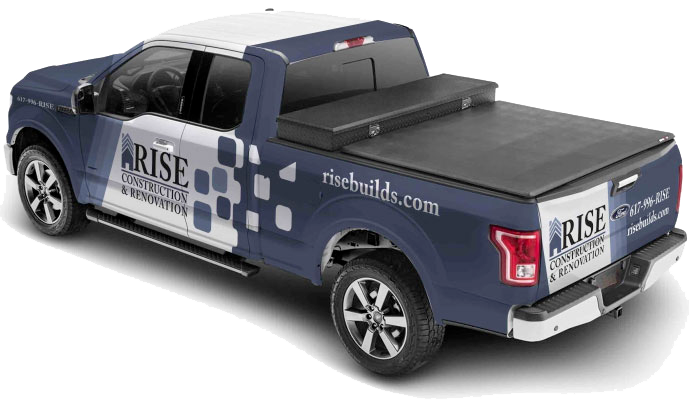


Vehicle wraps are great for turning any car, truck, or van into a head-turning display. Whether it’s for personal flair or business branding, wraps make vehicles stand out while protecting the original paint underneath. But as winds blow, seasons change, and roads throw everything from dust to salt, wraps can start to show signs of wear. It’s not unusual for problems like peeling edges, air bubbles, or fading to pop up over time.
These issues don’t always mean the wrap needs to be completely replaced. Many of them can be sorted out with simple fixes if they’re caught early. Knowing what to look for and how to respond can save time and money while keeping your vehicle looking sharp. Let’s go over some of the most common types of damage that happen to wraps on a vehicle and what quick steps can help keep them looking fresh.
Identifying Common Vehicle Wrap Damages
Even high-quality wraps can take a beating after enough exposure to sun, rain, and long miles on the road. The finish can start to lift, colors can fade, or you might see spots that don’t stick as well as they used to. The sooner these signs are caught, the better your chances of minimizing the damage. Here are a few signs that a wrap might be having trouble:
- Peeling: The edges or corners may lift away from the surface, especially near the wheel wells or window trims.
- Bubbling: Small or large air pockets form under the film, usually caused by poor installation or temperature changes.
- Fading or Discoloration: Areas exposed to the most sun might lose their color, looking dull or washed out.
- Cracking or Splitting: Mostly a sign the wrap is nearing the end of its lifespan or has been through extreme weather swings.
One local example: A delivery van in Wilmington parked facing the sun every day on the same side started showing uneven fading in just a few months. The side that faced the sun almost daily looked noticeably different than the shaded side. Careful placement alone can make a difference, but understanding what causes damage allows drivers to take action before it gets worse.
These problems can happen for a lot of reasons. UV exposure is a common one—sunlight beats down especially hard during the day. Improper cleaning tools or methods can also wear down the surface, stripping layers and making it more likely to peel. Wraps can also get damaged by impact from debris during highway driving, or simply from wear around doors that are opened often.
Fixes for Peeling Wraps
Peeling often starts small—a lifting corner under a mirror, a flap coming loose near a door jamb—but it can spread fast if ignored. The key is to handle these spots gently and early. Here’s how to manage peeling wrap without making it worse:
- Clean the area. Use a soft cloth and gentle soap to remove any dirt or grease near the peeling edge. Avoid anything harsh that could make it worse.
- Dry it out. Make sure the area is completely dry. Moisture can prevent adhesive from holding or trap water inside, which causes more peeling later.
- Use adhesive with care. Apply a small amount of high-quality wrap adhesive under the edge using a clean applicator. Press down gently and evenly.
- Apply heat if needed. With a low-heat setting on a heat gun, lightly warm the film to reset its hold and help it mold back in place.
- Roll it smooth. Use a rubber-edged squeegee or soft roller to press out bubbles and ensure firm contact with the surface.
To prevent wrapping from peeling again, try to:
- Park in shaded or covered areas when possible.
- Wash the vehicle by hand using soft cloths and pH-neutral soaps.
- Avoid scraping windows or trim close to the wrap edges.
Once peeling starts, it tends to spread quicker than you’d expect. Fixing it early keeps things from snowballing. Regular checks around the vehicle’s edges—like door handles, fenders, and corners—can go a long way. Keeping an eye out and acting when you first notice something off will help stretch the lifespan of your wrap without needing round-the-clock upkeep.
Solutions for Bubbling Wraps
Bubbles under a vehicle wrap are more than just an eyesore. They can slowly stretch the vinyl, lift the adhesive, and open the door to more peeling or cracking down the line. Most bubbles form when air gets trapped during the installation process or when extreme temperature swings cause expansion and contraction. Spotting and dealing with them early makes refixing the wrap way easier and avoids long-term damage.
Here’s how to deal with wrap bubbles before they get worse:
- Warm up the area. Use a heat gun set on low or a hairdryer to gently warm the spot. This softens the vinyl and helps release trapped air.
- Poke a small hole. Use a needle or pin to make one clean hole at the edge of the bubble. Aim for the flattest part, not the center.
- Smooth it out. Starting from the bubble’s center, press outward with a squeegee or soft rag to push the air toward the hole.
- Seal it back down. After flattening the area, reapply a little heat to reset the adhesion and smooth out the surface until it blends back in.
For larger or stubborn bubbles, multiple holes may be needed to drain all the trapped air. If moisture seeps in around the edge, skip the fix and call a pro. Water under vinyl can lead to adhesive failure or mold if left too long.
To keep bubbles from showing up again:
- Avoid parking long term in direct sun when possible.
- Don’t leave wet leaves or standing snow sitting on the wrap.
- Make sure windows and edges don’t trap water after washing.
Regular full-body walk-arounds help catch bubbles early. Just a few minutes of hands-on checking each week can help spot little problems before they mess with the bigger picture.
Why Professional Help Matters
While some minor wrap troubles can be handled with care and basic tools, there’s a point where a professional vehicle wrap service makes a clear difference. Deeper damage like cracking panels, full color loss, or lifted seams need a trained hand. Trying to patch these bigger issues at home could stretch the wrap further or cause more tearing.
Professional wrap technicians have the right materials, adhesives, and tools to fix things without leaving signs of damage behind. They’re also trained to spot hidden issues that might go unnoticed at first—like bubbling under seams or uneven shrinkage around corners. Professionals also understand when it would be a better investment to replace a wrap and start with something fresh.
Keep Your Vehicle Looking Sharp
Wraps don’t last forever, but taking care of them the right way makes a noticeable difference. Whether it’s a small peel near the mirror, new bubbles popping up, or dull-looking panels, early attention helps stop a small problem from turning into a full replacement.
Keeping wraps on a vehicle in great shape around Wilmington means paying attention to both the weather and the wear. A little cleaning, protection from sun, and knowing when to call in help all go a long way. Quick fixes and smart habits can keep your vehicle turning heads wherever it goes.
To keep your car, truck, or van turning heads on the road, focus on regular maintenance and care for wraps on a vehicle. For expert insights on how a custom wrap design can enhance your vehicle’s appearance while providing long-lasting protection, explore our services at Wrap Solutions. Trust us to help you keep your vehicle looking its best.